Treatment Options
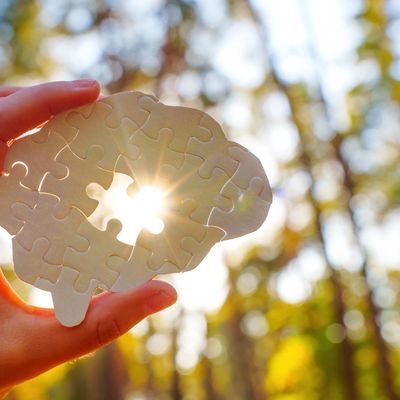
Individual Psychotherapy using an Integrative Approach for Adults, Youth, and Children
An integrative therapeutic approach is a flexible form of psychotherapy that combines techniques from different therapeutic models to best meet the individual needs of each client. Rather than sticking to a single school of thought, integrative therapy draws from approaches like cognitive-behavioural therapy (CBT), dialectical behaviour therapy (DBT), psychodynamic therapy, Acceptance and Commitment Therapy, TIR and EMDR any of which can be included in your treatment plan.
This approach recognizes that no single method works for everyone and that people are complex, with unique emotional, behavioural, and psychological needs.
Integrative therapy is used to treat a variety of issues, including:
- Anxiety and depression
- Grief and Loss
- Trauma and PTSD
- Relationship difficulties
- Stress and life transitions
- Self-esteem and identity issues
- Panic attacks
- Emotional regulation
- Self-harm
Couples Therapy
Couples therapy is a form of psychotherapy designed to help partners strengthen their relationship, improve communication, and work through conflicts and emotional difficulties. Couples explore patterns in their interactions, gain insight into each other’s needs and emotions, and learn practical strategies for resolving disagreements in a healthier, more constructive way.
Therapy sessions provide a safe and neutral space where both partners can express their feelings openly, rebuild trust, and deepen emotional intimacy.
Couples therapy is beneficial at any stage of a relationship, whether partners are facing specific challenges with:
- Infidelity
- Conflict Resolution
- Life transitions
- Enhance connection and mutual understanding

EMDR Therapy
Eye Movement Desensitization and Reprocessing (EMDR) is a structured, evidence-based form of psychotherapy that helps individuals process and heal from traumatic experiences and emotionally distressing memories.
Trauma can overwhelm the brain’s natural ability to process information, leaving memories “stuck” and continuing to trigger distress. EMDR helps the brain recognize that the danger is over so you can begin to heal.
EMDR is widely recognized as an effective treatment in adults and children for:
- Emotional, physical, or sexual abuse
- Panic Attacks
- Phobias and Anxiety
- post-traumatic stress disorder (PTSD)
- Depression linked to past and present experiences
- Low Self-esteem and Chronic Shame
- Medical or Birth Trauma
- Grief and Loss
- Work Stress and Burnout
- Instrusive Thoughts and Nightmares
EMDR treatment duration can vary significantly based on complexity and type of trauma, emotional readiness, individual coping skills, number of memories to process, co-occuring conditions, etc.
An individually tailored treatment plan will be developed and discussed before beginning EMDR.

Trauma Incident Reduction
Trauma Incident Reduction (TIR) is a structured, person centered technique designed to help individuals reduce the lasting negative effects of past traumatic experiences.
TIR is a guided process where the person revisits and talks through the traumatic event in a safe, supportive, and controlled environment.
By repeatedly reviewing the incident in a non-judgmental setting, emotional pain can be released, and the intensity of the trauma response can be significantly reduced.
This process promotes emotional healing, clarity, and a greater sense of personal empowerment.
TIR is often used for:
- Single Traumatic Incident or Memory
- PTSD
- Unresolved emotional distress
- Anxiety
Play-Based Therapy
Play therapy is a specialized form of psychotherapy primarily used with children to help them explore and express their emotions, thoughts, and experiences through play.
Play an activity that serves as a child's most natural and comfortable form of communication. Since children often lack the verbal skills to articulate complex feelings, play becomes a powerful tool through which they can work through internal struggles.
In a safe, supportive, and structured environment, a trained therapist utilizes toys, games, art, storytelling, sand tray, and other creative mediums to engage the child in a therapeutic process.
Play therapy is effective for addressing a range of challenges including:
- Trauma
- Anxiety
- Grief
- Behavioural Issues
- Social Difficulties
- Adjustments to Life Changes such as Divorce or Loss.
Exploring Play Therapy - Sand tray

A Look Inside Psych North Psychotherapy Practice - Massey Location